All Categories
Featured
Avoiding the Usage Trap in Today's High-Interest Economy
Finding Trustworthy Financial Obligation Suggestions in Y...
Finding Trustworthy Financial Obligation Suggestions in Your State
Table of Contents
- – The Economic Truth of Homeownership in 2026
- – Advanced Credit Reconstructing Methods for 2026
- – The Mechanics of Debt Management Programs
- – Mastering the 2026 Home Spending plan
- – Dealing With Debt-to-Income Ratios
- – The Role of HUD-Approved Real Estate Therapy
- – The Long-Term Value of Financial Education
The Economic Truth of Homeownership in 2026
Securing a home mortgage in 2026 requires a level of financial preparation that varies substantially from previous years. While the severe volatility of the early 2020s has passed, the current economic environment in the local market presents a new set of challenges for newbie buyers. Rate of interest have actually settled into a higher baseline, and lenders have tightened their examination of applicant profiles. Buying a home is no longer practically having a down payment-- it is about proving long-term monetary stability through meticulous credit management and budgeting.
Financial literacy has actually ended up being the main gatekeeper for entry into the housing market. Prospective purchasers in this state should understand how their debt-to-income ratio, credit report, and month-to-month money circulation communicate to identify their eligibility. Without this understanding, many find their applications rejected in spite of having high incomes. The shift toward trended data in credit report ways that loan providers now look at costs and payment patterns over the last 24 months, instead of just a single photo score.
Advanced Credit Reconstructing Methods for 2026
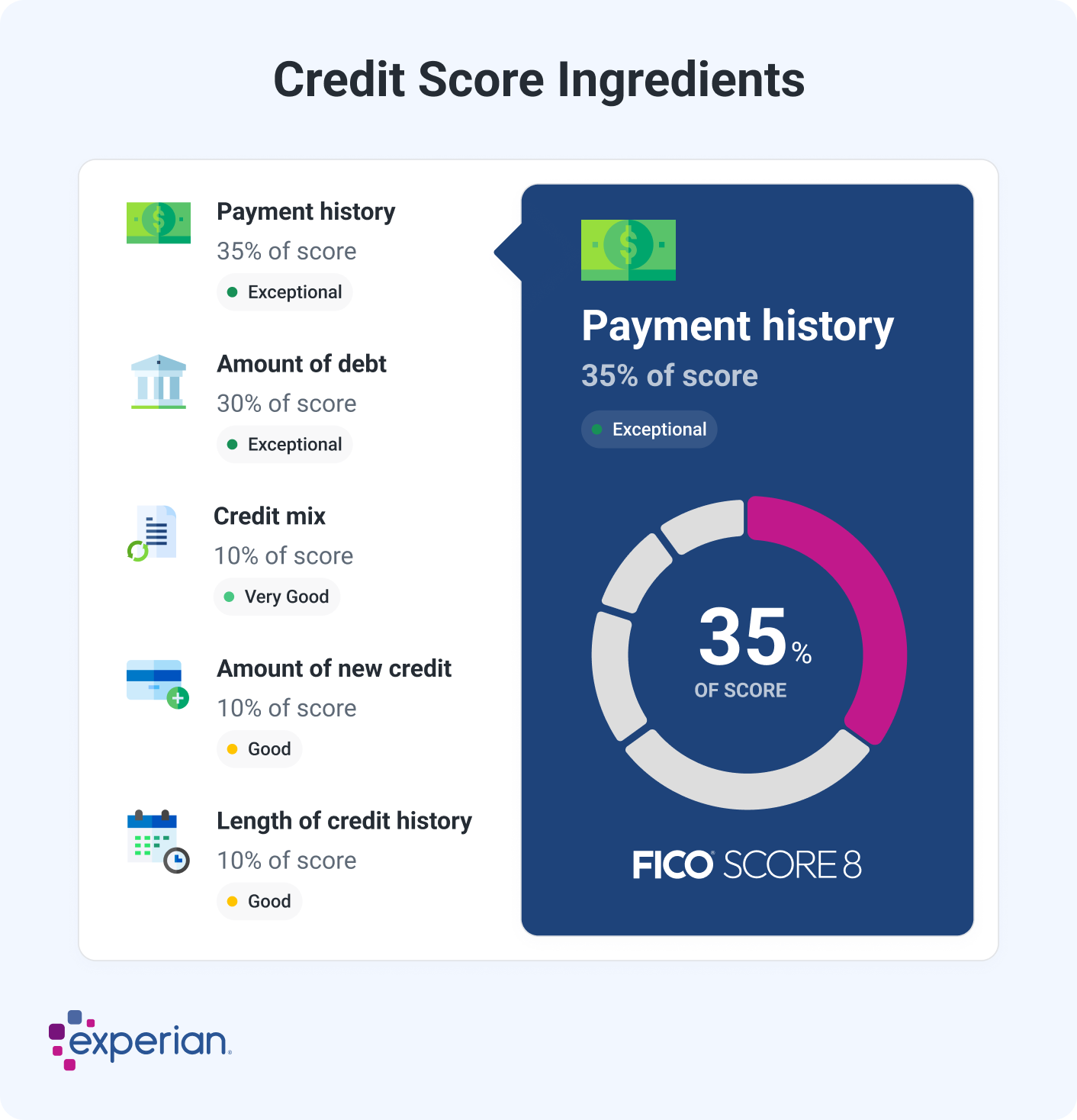
Credit history in 2026 are influenced greatly by FICO 10T and VantageScore 4.0, both of which highlight "trended information." This means that simply settling a collection account right before obtaining a loan is less effective than it used to be. Lenders want to see that a customer has regularly managed their credit limit in time. For those with previous monetary setbacks in the surrounding area, restoring needs a proactive technique. This includes more than simply making on-time payments-- it requires tactical management of credit usage and the removal of reporting mistakes.
Lots of households in the local region find that specialized focus on Debt Management offers the required structure for mortgage approval. Dealing with a U.S. Department of Justice-approved nonprofit credit therapy firm enables individuals to access expert reviews of their credit reports. These companies help determine errors that may be dragging down a score. In the 2026 economy, even a 20-point distinction in a credit history can result in countless dollars in additional interest over the life of a 30-year loan.
The Mechanics of Debt Management Programs

For individuals bring high-interest credit card debt, a Financial obligation Management Program (DMP) is a useful tool for preparation. These programs, offered by nonprofit agencies, combine numerous monthly payments into one lower payment. These companies work out with lenders to lower interest rates, which are frequently substantially greater in 2026 than in previous decades. This decrease in interest enables more of the regular monthly payment to approach the principal balance, speeding up the timeline to becoming debt-free.
Taking part in a DMP does not prevent homeownership. In reality, many loan providers view effective involvement in a nonprofit-led debt program as a sign of monetary duty. It demonstrates that the debtor is serious about clearing their commitments and has the discipline to follow a structured repayment plan. Cleaning unsecured debt is often the fastest method to improve a debt-to-income ratio, which stays a critical metric for mortgage underwriters in the United States.
Mastering the 2026 Home Spending plan
Budgeting in 2026 requires a departure from the traditional 50/30/20 rule. With the expense of vital services and residential or commercial property taxes rising across this state, a more granular technique is necessary. Effective property buyers now use zero-based budgeting, where every dollar earned is assigned a specific function before the month begins. This prevents "way of life creep" and guarantees that cost savings for home upkeep and closing costs are focused on.
Effective Debt Management Plans has ended up being important for contemporary households trying to navigate rising real estate tax and insurance coverage premiums. A budget must account for the total cost of ownership, not just the monthly mortgage payment. This includes "concealed" expenses like personal home mortgage insurance (PMI), house owner association (HOA) fees, and the increased energy expenses related to larger living areas. Financial literacy education offers the tools to anticipate these expenditures properly, avoiding the typical trap of being "home poor."
Dealing With Debt-to-Income Ratios
The debt-to-income (DTI) ratio is the portion of gross month-to-month earnings that goes toward paying debts. In 2026, the majority of conventional lenders choose a DTI below 36%, though some programs permit higher limits. Those looking for Debt Management in Utah should initially examine their present financial obligation commitments to see where they can trim regular monthly investments. Automobile loans and student loans are typically the biggest hurdles. By restructuring these financial obligations through expert therapy, a purchaser can reduce their month-to-month responsibilities and increase their borrowing power for a home.
- Review all repeating subscriptions and automated payments.
- Focus on the repayment of high-interest revolving credit.
- Designate a "home maintenance fund" within the budget plan even before acquiring.
- Prevent taking on new financial obligation, such as a vehicle lease, within twelve months of a home loan application.
The Role of HUD-Approved Real Estate Therapy
One of the most underused resources for prospective buyers is HUD-approved real estate counseling. These programs provide a roadmap for the entire home-buying procedure, from the preliminary credit check to the final signatures at closing. In 2026, lots of state and regional first-time property buyer grants need conclusion of a certified counseling course. These courses cover the legalities of home loan contracts, the value of home examinations, and the long-term responsibilities of a property owner.
Nonprofit firms running in the local market provide these services to assist bridge the gap between dreaming of a home and really owning one. These therapists function as neutral 3rd parties who do not profit from the sale of a home or the issuance of a loan. Their only goal is to ensure the purchaser is financially all set for the commitment. This level of education reduces the risk of foreclosure and helps develop steady neighborhoods throughout the surrounding area.
The Long-Term Value of Financial Education
Financial literacy is not a one-time job completed before a home mortgage application; it is a lifestyle modification that safeguards the home after the move-in date. The 2026 economy is identified by fast shifts in technology and employment. Those who have mastered budgeting and credit management are much better equipped to manage unexpected monetary shocks, such as medical emergency situations or profession transitions.
By engaging with credit counseling and financial obligation management early, homeowners of the region can transform their monetary outlook. Rebuilding credit and mastering a budget are the keys to not only getting the secrets to a house but likewise keeping them for years to come. Professional assistance from not-for-profit companies provides the structure and responsibility required to reach these objectives in a significantly intricate monetary world. In 2026, the most successful property owners are those who buy their own monetary education long before they ever set foot in an open home.

Table of Contents
- – The Economic Truth of Homeownership in 2026
- – Advanced Credit Reconstructing Methods for 2026
- – The Mechanics of Debt Management Programs
- – Mastering the 2026 Home Spending plan
- – Dealing With Debt-to-Income Ratios
- – The Role of HUD-Approved Real Estate Therapy
- – The Long-Term Value of Financial Education
Latest Posts

Managing the Consequences of Forgiven Principal Balances This Year

Avoiding the Usage Trap in Today's High-Interest Economy
Vetting Criteria for 2026 Credit Therapy Services
More
Latest Posts
Managing the Consequences of Forgiven Principal Balances This Year
Avoiding the Usage Trap in Today's High-Interest Economy
Vetting Criteria for 2026 Credit Therapy Services